The Enduring Discipline of Louis XVI French Antiques

The Enduring Discipline of Louis XVI French Antiques

Among the many French decorative movements of the 18th to 20th centuries, the Louis XVI period (circa 1774–1793) remains one of the most enduringly collected along with my personal favorite. Emerging as a deliberate rejection of Rococo excess, Louis XVI design marked a return to order, proportion, and classical restraint.

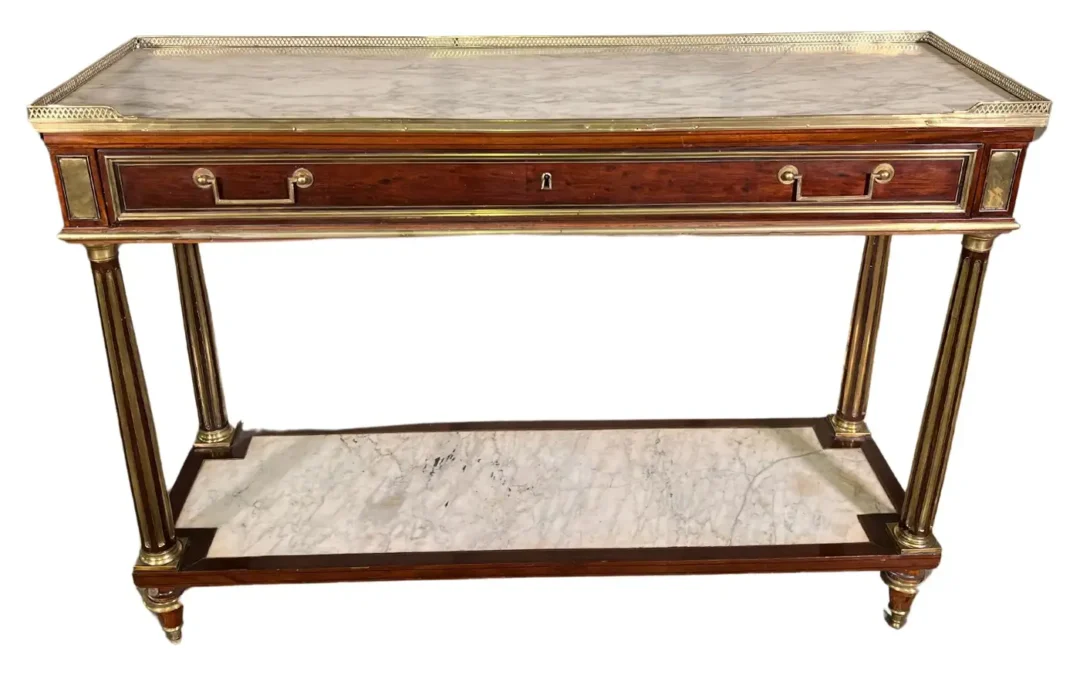
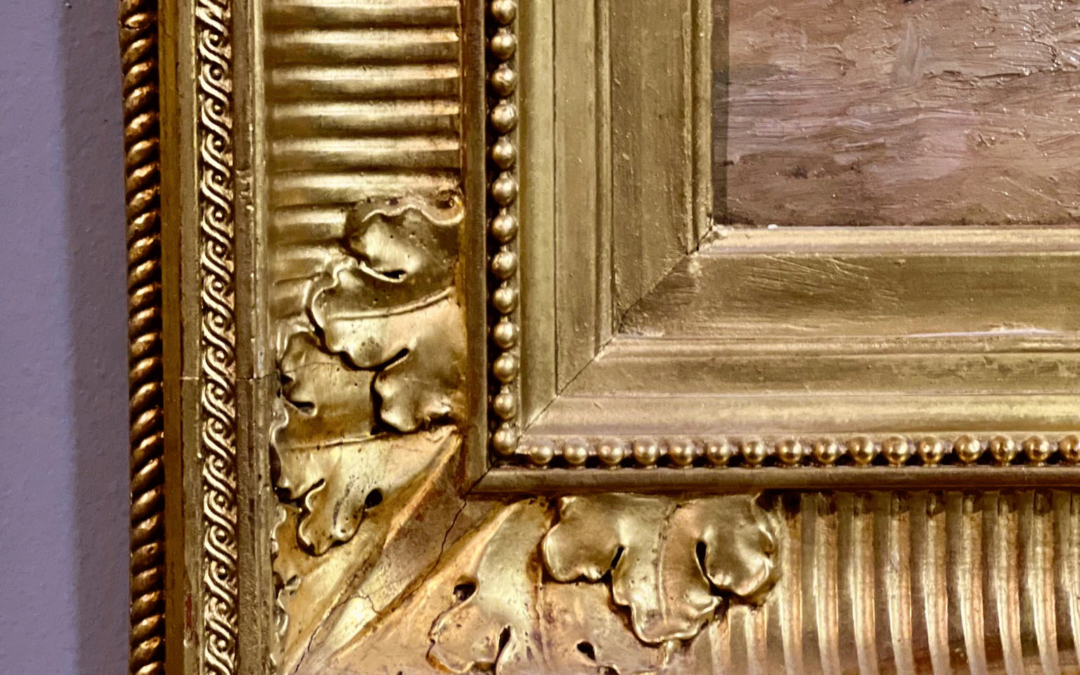
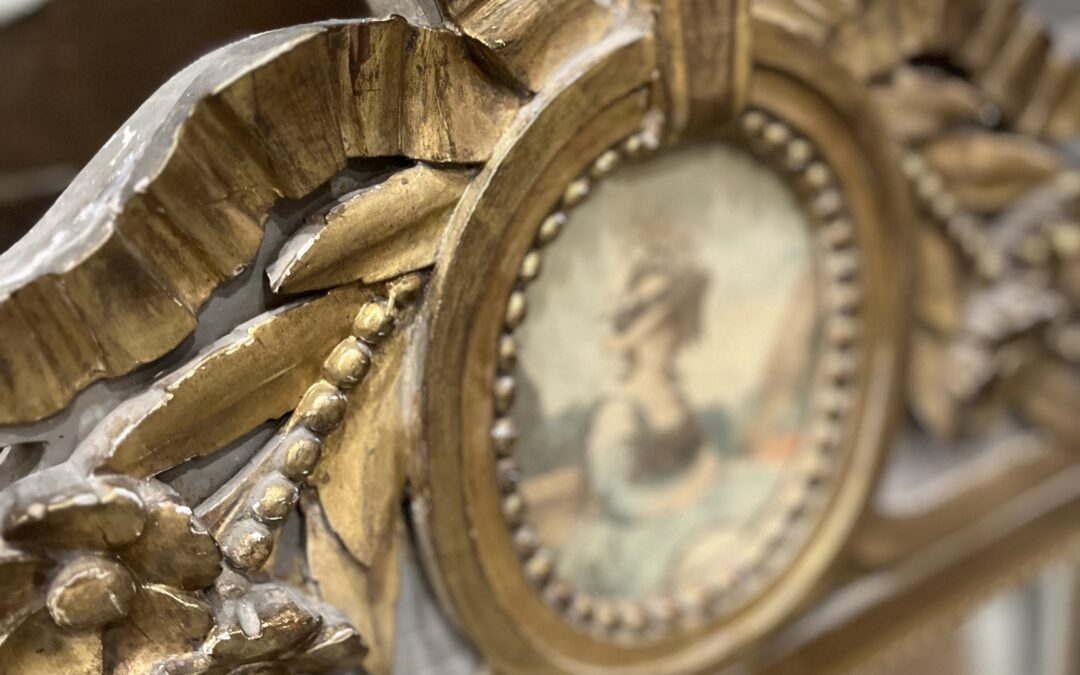
Inspired by the archaeological rediscoveries of Pompeii and Herculaneum, French artisans embraced Neoclassicism with academic seriousness. Furniture forms became rectilinear and balanced, replacing serpentine curves with straight, fluted legs and architectural clarity. Ornamentation was still present, but it behaved itself—think laurel wreaths, rosettes, urns, and Greek key motifs rather than shellwork and froth.

Craftsmanship during this period reached an extraordinary level. Cabinetmakers such as Jean-Henri Riesener and Georges Jacob produced pieces that were not only visually refined but structurally sound, built to endure centuries of use. Mahogany, walnut, and fruitwoods were carefully selected, often accented with finely chased gilt bronze mounts. Marquetry became more restrained, favoring geometric patterns over pictorial excess.

What makes Louis XVI antiques particularly compelling to modern collectors is their architectural compatibility. These pieces sit comfortably in both traditional interiors and contemporary spaces, offering quiet authority rather than theatrical presence. A Louis XVI commode or fauteuil does not demand attention—it earns it.

As France moved into the 19th and early 20th centuries, the influence of Louis XVI design persisted, reinterpreted during the Directoire, Empire, and later revival periods. Even today, many high-quality reproductions and reinterpretations continue to draw directly from Louis XVI proportions, a testament to the movement’s fundamental correctness.

In an age obsessed with novelty, Louis XVI antiques remind us that restraint, symmetry, and honest craftsmanship never go out of style. These are not pieces meant to shout across a room. They are meant to last—physically, aesthetically, and culturally.

If Rococo was a conversation, Louis XVI was a conclusion.
-Tod Carson
Spotlight on popular French European antique styles

Spotlight on popular French European antique styles

Spotlight on popular French European antique styles

France has long been synonymous with elegance, sophistication, and artistic innovation, and its influence on the world of design and decorative arts is undeniable. From the opulent grandeur of the Baroque period to the graceful simplicity of Art Deco, French styles and movements have left an indelible mark on the history of antique furniture and design. In this blog, we’ll embark on a journey through some of the most iconic French styles and movements, celebrating their enduring allure and timeless beauty.

  1. Baroque Splendor: Originating in the 17th century, Baroque art and design in France were characterized by their grandeur, drama, and ornate embellishments. Influenced by the reign of Louis XIV, the Sun King, Baroque furniture featured lavish carvings, gilding, and richly upholstered fabrics. Pieces such as elaborately carved armoires, imposing commodes, and intricately detailed mirrors epitomized the opulence of the era, showcasing the craftsmanship of French artisans at its zenith.
  2. Rococo Romance: Building upon the exuberance of the Baroque period, the Rococo style emerged in 18th-century France with its emphasis on elegance, lightness, and playful ornamentation. Rococo furniture was characterized by its sinuous curves, delicate motifs inspired by nature, and pastel-colored finishes. Exquisite examples include Louis XV-style armchairs adorned with delicate floral carvings, graceful console tables adorned with scrolls and shells, and whimsical commodes featuring asymmetrical designs.
  3. Neoclassical Refinement: With the dawn of the 19th century came the Neoclassical revival, inspired by the archaeological discoveries of ancient Greece and Rome. French Neoclassical furniture was marked by its clean lines, geometric forms, and restrained ornamentation. Influenced by the reign of Louis XVI and the ideals of the Enlightenment, Neoclassical pieces exuded a sense of refinement and symmetry. Iconic examples include elegant bergères with straight, fluted legs, neoclassical-style desks adorned with tapered columns, and graceful guéridons featuring marble tops and classical motifs.
  4. Art Nouveau Innovation: In the late 19th and early 20th centuries, France was at the forefront of the Art Nouveau movement, which sought to break free from the constraints of historicism and embrace organic forms and flowing lines. Art Nouveau furniture was characterized by its sinuous curves, nature-inspired motifs, and innovative use of materials such as bentwood, stained glass, and inlaid marquetry. Striking examples include the iconic designs of Émile Gallé, featuring intricate floral marquetry, and the sinuous lines of Hector Guimard’s famous Paris Métro entrances.
  5. Art Deco Glamour: Emerging in the 1920s, the Art Deco movement epitomized the modernist spirit of the Jazz Age, blending geometric forms, exotic materials, and luxurious finishes. French Art Deco furniture was characterized by its sleek lines, bold geometric shapes, and lavish use of materials such as lacquer, chrome, and exotic woods. Striking examples include the iconic designs of Émile-Jacques Ruhlmann, featuring elegant curves and exquisite craftsmanship, and the geometric patterns of Jacques-Émile Ruhlmann’s luxurious interiors.

In conclusion, the rich tapestry of French styles and movements reflects the nation’s enduring commitment to artistic excellence and innovation. From the ornate splendor of the Baroque period to the sleek glamour of Art Deco, each era has left its own distinctive imprint on the world of antique furniture and design, captivating collectors and enthusiasts alike with its timeless elegance and enduring beauty.

Identifying the Majestic Features of Empire Furniture: A Guide for Collectors

Identifying the Majestic Features of Empire Furniture: A Guide for Collectors

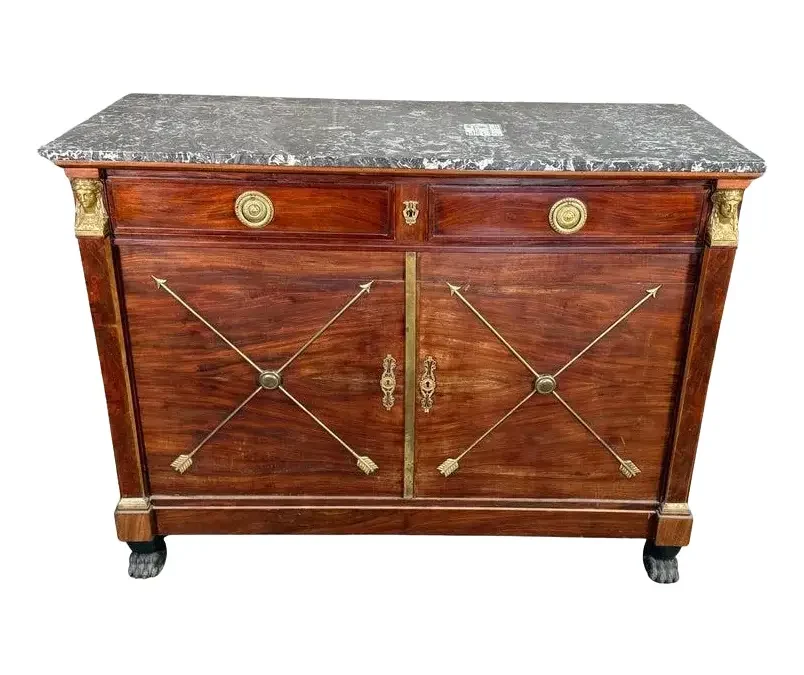
Empire furniture, the bold and grand style that emerged in France during the reign of Napoleon Bonaparte (1804-1814), remains a symbol of power, elegance, and sophistication. Characterized by its strong, imposing forms and lavish detailing, Empire furniture appeals to collectors and connoisseurs who appreciate its rich history and artistry. But what exactly makes a piece Empire? Here’s a guide to help you identify key features of this distinctive style.

1. Strong, Monumental Forms

One of the most striking characteristics of Empire furniture is its emphasis on bold, geometric lines and strong, monumental forms. Unlike the softer curves of earlier styles like Rococo, Empire pieces tend to be more angular and imposing, reflecting the Napoleonic ideals of strength and grandeur. Chairs, tables, and cabinets often feature wide, straight lines and a solid, grounded appearance, meant to convey authority and status.

2. Regal Motifs and Ornate Detailing

Empire furniture is rich with symbolism. Napoleon himself was deeply invested in the visual language of power, and the furniture of his era reflects this. Look for motifs like eagles (representing imperial power), sphinxes (symbolizing mystery and authority), and laurel wreaths (denoting victory). Bronze ormolu (gilded bronze) is often used to accentuate these motifs, with intricate detailing such as lion paw feet, garlands, and fluted columns.

3. Rich, Exotic Woods

The woods used in Empire furniture are often darker and more luxurious than those seen in earlier periods. Mahogany is the wood of choice, prized for its deep, reddish-brown tones and fine grain. In addition to mahogany, ebony and other exotic woods were used for inlays, creating striking contrasts with the larger, solid surfaces. This use of rich materials speaks to the wealth and power of the period.

4. Classical Influence

Empire furniture draws heavily from classical antiquity, especially from Roman and Greek art and architecture. Columns, pediments, and even classical urn shapes often feature in the design of cabinets, side tables, and mirrors. The furniture style also incorporates Roman and Greek motifs such as fluted columns and acanthus leaves, evoking the grandeur of ancient civilizations while also serving to reinforce Napoleon’s self-image as a leader of historical significance.

5. Bold Upholstery and Fabrics

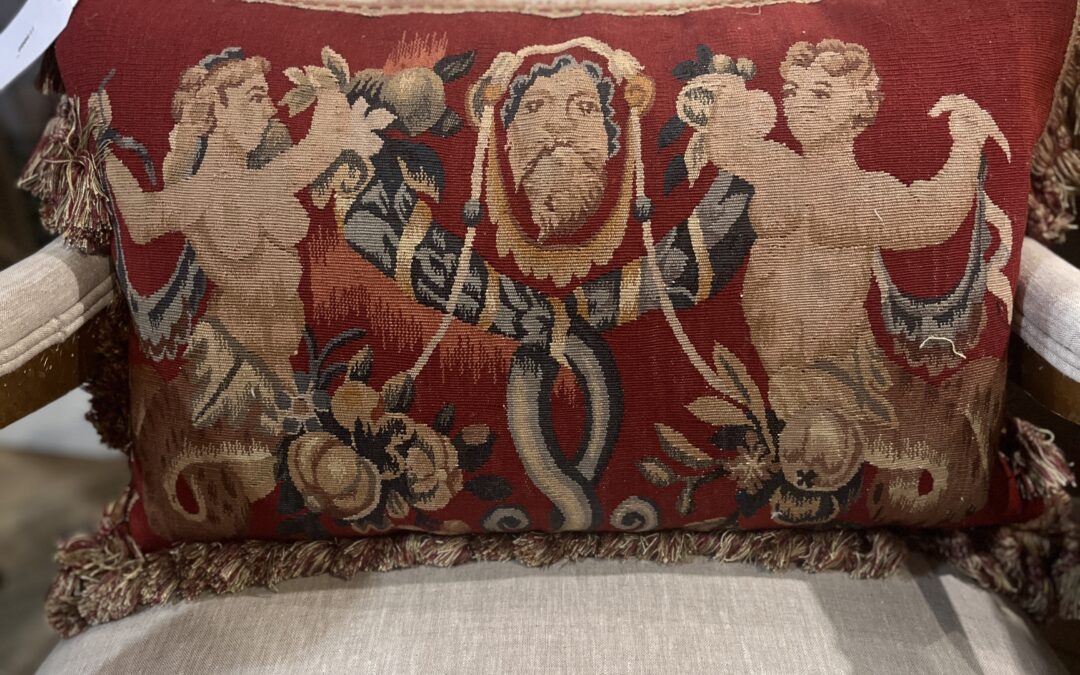
Upholstered Empire furniture, such as sofas and chairs, often uses sumptuous fabrics like velvet, silk, or damask, in deep, rich colors such as crimson, dark blue, or gold. The upholstery is typically more structured and stiff than earlier styles, contributing to the overall bold, formal aesthetic. Embroidered or woven patterns may feature classical motifs or even military emblems, further reinforcing the imperial theme.

6. Furniture Pieces in Empire Style

Common pieces found in the Empire style include consoles, commodes, sideboards, tables, and armchairs. One of the most iconic pieces of Empire furniture is the fauteuil (a type of armchair), often featuring straight lines and bronze mounts. Secretaire desks and armoires were also popular, with large, imposing forms and decorative bronze hardware.

7. Gold and Brass Accents

Gold was a frequent feature in Empire furniture, often used to highlight the richness of the wood and to add an air of regality. This could be in the form of bronze mounts, gilded details, or even entire sections of gold leaf. Brass inlays or ornaments also helped to further elevate the furniture, reflecting the opulence of the period.

In Conclusion

Empire furniture is defined by its boldness, opulence, and strong connection to classical antiquity. It combines grandeur with a focus on imperial power, making it a timeless symbol of sophistication and strength. When identifying Empire pieces, focus on the geometric forms, rich materials, and symbolic embellishments. Whether you’re looking to add to your collection or simply appreciate the artistry of this iconic style, understanding the key features of Empire furniture will deepen your appreciation for these majestic and historic pieces.

Why antiques are making a strong, yet subtle comeback in design.

Why antiques are making a strong, yet subtle comeback in design.

Why antiques are making a strong, yet subtle comeback in design.

Antiques have always had a special kind of charm. With their rich history and exceptional craftsmanship, they offer something modern pieces often can’t—character and uniqueness. These days, antiques are making a noticeable comeback in traditional home design, even though the economy is tight, and many of the people who love them tend to be older. But what’s driving this resurgence? There are a few key reasons, from sustainability to a desire for more personal and meaningful spaces.

First off, sustainability plays a major role. In today’s world, where we’re all more conscious of the environment, buying antiques is seen as a way to recycle and repurpose. These pieces have already been made, so no new manufacturing is required, and many antiques are crafted from materials like solid wood and metal that stand the test of time. In an era of fast furniture that doesn’t last, owning an antique means you’re investing in something that could last for generations.

People are craving more personal touches in their homes. With so much mass-produced furniture out there, it’s hard to find items that feel truly unique. Antiques, though, bring individuality to a space. Whether it’s a vintage chest passed down through family or a one-of-a-kind mirror from a hidden shop, these items tell a story. They give your home a personality and a connection to the past that modern pieces just can’t replicate.

There’s also a sense of nostalgia at play. After spending more time at home in recent years, people want their spaces to feel comfortable, cozy, and inviting. Antiques, with their traditional and timeless designs, fit perfectly into this vision. They create an atmosphere of warmth and familiarity—something that’s been lost in the world of minimalist, contemporary interiors.

Interestingly, younger generations are also getting in on the antique trend. Millennials and Gen Z are discovering the beauty and craftsmanship of vintage pieces, hunting for treasures at estate sales and auctions. It’s no longer just about nostalgia; it’s about valuing quality and history, and finding furniture that feels one-of-a-kind.

Ultimately, antiques are making a strong and subtle comeback because they never went away and they offer so much more than just a functional item. They bring a sense of history, uniqueness, and quality that modern mass-produced furniture simply can’t compete with. In a world that’s often focused on quick fixes and trends, antiques remind us of the value of lasting, meaningful pieces.  There is a story behind just about every piece on our showroom floor.  Feel free to reach out for the back story and history on any piece that catches your interest on our showroom floor or online store.  We’d love to hear from you!

Tod Carson

The History Behind Iconic Antique Styles: Directoire period

The History Behind Iconic Antique Styles: Directoire period

The History Behind Iconic Antique Styles: Directoire

The world of antiques is rich with history, each piece telling a unique story of its time. Among the most captivating styles is my personal favorite: the Directoire period, which emerged in France from 1795 to 1805-ish. This era not only reflects the aesthetic preferences of its time but also encapsulates a significant transition in French society following the tumult of the Revolution.

The Historical Context

The Directoire period took its name from the French government known as the Directory, which governed France after the fall of the Revolutionary government. This era was marked by political instability and a desire for stability and elegance in everyday life. The revolution had overturned the monarchy, and the people were yearning for a return to sophistication and order, which influenced the art and furniture styles of the time.

Characteristics of Directoire Style

Directoire furniture is distinguished by its neoclassical influences, a nod to ancient Roman and Greek designs. Unlike the opulence of the preceding Louis XVI style, Directoire embraced simplicity and symmetry. Common materials included mahogany and walnut, often enhanced with intricate carvings and gilding. Furniture pieces like chairs and tables featured straight lines and geometric forms, reflecting the clarity and rationality of the age.

One notable characteristic of Directoire design is the use of motifs inspired by antiquity, including clean lines, fluted columns, laurel wreaths, and Egyptian elements, reflecting the European fascination with the ancient world. This fascination was partly fueled by Napoleon’s military campaigns, which brought Egyptian artifacts and motifs back to France, infusing them into the art and furniture of the time.

Furniture and Decorative Arts

Directoire furniture was not only functional but also a form of artistic expression. Iconic pieces included fauteuils (armchairs) and bergères (cushioned armchairs) that often featured bold upholstery and elegant frames. Tables were designed with clean lines and were often adorned with painted or gilded decorations.

In decorative arts, the Directoire period also saw a revival of interest in porcelain and ceramics. Factories began producing tableware with classical motifs, which were highly sought after by the burgeoning middle class eager to showcase their refined tastes.

The Influence of Directoire on Modern Design

The Directoire style laid the groundwork for subsequent movements, particularly the Empire style that followed. While Empire furniture was more ornate and grand, it still carried the neoclassical spirit established during the Directoire period. Elements such as the use of classical motifs and a focus on symmetry remained integral in the evolution of furniture design.

Today, the Directoire style is appreciated for its elegance and restraint, making it a popular choice for interior designers looking to blend classical elements with contemporary aesthetics. Many modern furnishings draw inspiration from the clean lines and timeless elegance of Directoire pieces, ensuring that this style continues to resonate.

Collecting Directoire Antiques

For collectors, Directoire antiques offer a fascinating glimpse into a transformative period in French history. When acquiring Directoire pieces, it is essential to look for authenticity, paying attention to craftsmanship, materials, and the presence of typical motifs. The value of these antiques can vary significantly based on condition, provenance, and rarity, making each piece a potential treasure.

The Directoire period stands as a testament to resilience and a quest for elegance amidst chaos. Its enduring influence on furniture design and decorative arts makes it an essential topic of exploration for antique enthusiasts. By understanding the history and characteristics of Directoire style, collectors and admirers can better appreciate the artistry and cultural significance behind these iconic pieces.  Pease browse our online or showroom inventory to discover your favorite Directoire piece.


Timeless Elegance: Pairing Luxurious Modern Fabric with European Antique Chairs

Timeless Elegance: Pairing Luxurious Modern Fabric with European Antique Chairs

When it comes to interior design, there’s something magical about blending the old with the new. One of the most striking ways to achieve this is by pairing luxurious modern fabric with European antique chairs. This mix not only brings a touch of history into your home but also adds a layer of contemporary elegance that can transform any space into something truly special.

European antique chairs are more than just pieces of furniture; they’re slices of history, each with its own story to tell. Think of a Louis XVI fauteuil with its intricate carvings, a Victorian balloon-back chair with its graceful curves, or a Baroque armchair with its dramatic flair. These chairs bring a unique character and a sense of grandeur to any room. Their timeless beauty and exquisite detailing make them perfect focal points, catching the eye and sparking conversation.

Modern fabrics

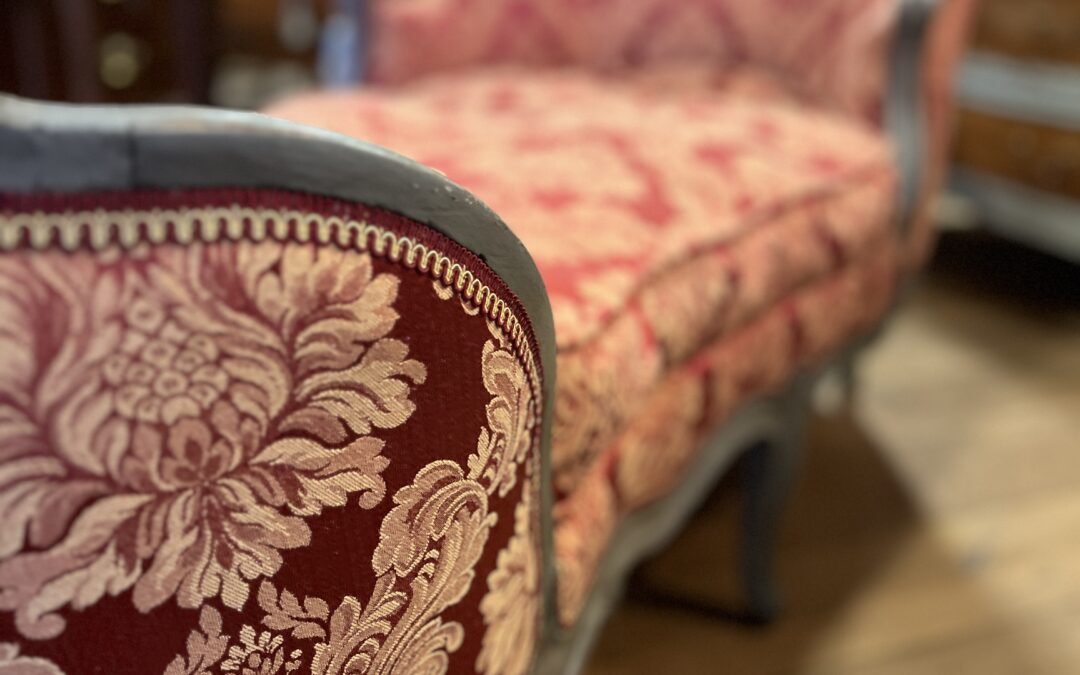
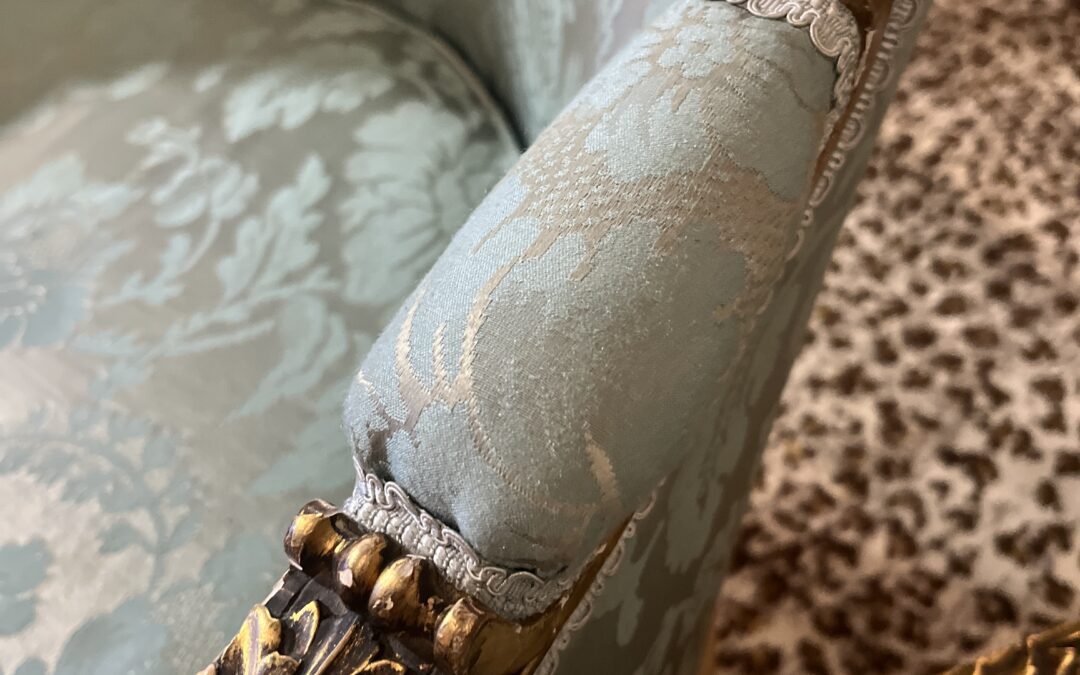
Modern fabrics, on the other hand, offer endless possibilities with their rich textures, patterns, and colors. Luxurious materials like velvet, silk, and high-quality linen add a touch of contemporary glamour. Velvet, with its plush texture and deep hues, adds warmth and richness. Silk, with its smooth finish and subtle sheen, brings sophistication. High-quality linen, known for its durability and natural appeal, provides a fresh, modern look. It beautifully contrasts with the antique frames.

The real magic happens when these two elements come together. Reupholstering European antique chairs with luxurious modern fabric breathes new life into them, creating a stunning mix of old-world charm and contemporary elegance. This combination can elevate any room, making it feel both classic and current.Imagine a Rococo chair with its ornate wooden frame upholstered in a deep, jewel-toned velvet. The rich fabric enhances the chair’s elaborate carvings, making it a standout piece in a modern living room. Or picture a Baroque armchair covered in a sleek, neutral silk fabric. This combination allows the chair to blend seamlessly into a minimalist space, while still maintaining its historical essence.

One of the best things about this pairing is its versatility. The choice of fabric can be tailored to fit the overall theme and color palette of your room. Whether you prefer bold and vibrant patterns or subtle and understated tones, there’s a modern fabric that can perfectly complement your antique chair. This blend also allows for a high degree of personalization. Each piece can be customized to reflect your individual style and taste, making your furniture truly unique. This approach not only preserves the historical value of antique chairs but also makes them relevant and functional in today’s interiors.

Conclusion

Bringing together luxurious modern fabric with European antique chairs is a design strategy that celebrates the best of both worlds. It honors the timeless beauty of the past while embracing the innovative elegance of the present. This fusion creates a unique and harmonious aesthetic that can transform any space into a testament to both history and modernity. So, if you’re looking to add a touch of sophistication and character to your home, consider this perfect marriage of luxury and tradition. It’s a choice that promises both beauty and a bit of storytelling charm.

Spotlight on the most popular French European movements in the Antique world

Spotlight on the most popular French European movements in the Antique world

France has always been a symbol of elegance, sophistication, and artistic innovation. Its influence on furniture and decorative arts is undeniable. From the opulent Baroque period to the sleek glamour of Art Deco, French furniture styles have shaped the world of antiques.  In this guide, we explore the most iconic French furniture movements. Each style showcases timeless beauty, exquisite craftsmanship, and enduring appeal.


Baroque Splendor

Baroque design emerged in 17th-century France. It is known for grandeur, drama, and ornate details. Influenced by Louis XIV, the Sun King, Baroque furniture featured bold carvings, gilding, and rich fabrics.Classic examples include large armoires, intricately carved commodes, and grand mirrors. These pieces demonstrate the height of French craftsmanship and the opulence of the era.


Rococo Romance

Rococo followed Baroque in 18th-century France. It introduced lightness, elegance, and playful decoration. Curved lines, asymmetrical shapes, and natural motifs—like flowers and shells—define the style.Louis XV-style armchairs, delicate console tables, and whimsical commodes capture Rococo’s charm. This style is romantic, airy, and highly collectible in French antique furniture today.


Neoclassical Refinement

By the late 18th century, Neoclassical design became popular. Inspired by ancient Greece and Rome, this style emphasized symmetry, clean lines, and restrained ornamentation.French Neoclassical furniture, often associated with Louis XVI, includes elegant bergères, marble-topped guéridons, and desks with tapered columns. These pieces showcase simplicity and classical elegance in French furniture styles.


Art Nouveau Innovation

In the late 19th and early 20th centuries, Art Nouveau broke away from traditional design. It focused on organic shapes, flowing lines, and nature-inspired motifs.French Art Nouveau furniture used materials like bentwood, stained glass, and marquetry. Émile Gallé’s floral designs and Hector Guimard’s Paris Métro entrances are iconic examples of this creative movement.


Art Deco Glamour

Art Deco emerged in 1920s France. It celebrated modern luxury with geometric shapes, bold lines, and high-quality materials.French Art Deco furniture often featured lacquered finishes, exotic woods, and chrome accents. Designers like Émile-Jacques Ruhlmann created elegant interiors that remain highly sought after by collectors of classic French design.


Timeless Legacy

From Baroque splendor to Art Deco sophistication, each French furniture movement has left a lasting mark on antique design. French antique furniture continues to inspire collectors, interior designers, and enthusiasts around the world.

To Humidify or Not? Preserving Antique Furniture in Dry Climates

To Humidify or Not? Preserving Antique Furniture in Dry Climates

Antique furniture holds both historical value and cultural significance. Each piece tells a story of craftsmanship and heritage, making it a cherished possession. However, in dry climates, collectors often face a dilemma: should they humidify their antique furniture, or leave it as is? Understanding the risks and best practices is key to preserving these treasured pieces.


The Role of Humidity

Humidity is crucial for wooden furniture, including antiques. Wood is hygroscopic, which means it absorbs and releases moisture from its surroundings. In very dry conditions—common in arid climates or winter months with indoor heating—wood loses moisture. This can cause shrinkage, warping, cracking, and even structural damage over time.

Controlled humidification can help prevent these issues. Techniques include:

  • Using room humidifiers

  • Placing water containers near furniture

  • Employing specialized furniture humidifiers

Proper humidity protects the wood, maintaining its integrity and prolonging the furniture’s lifespan.


Avoiding Over-Humidification

While dry conditions are harmful, too much humidity is equally dangerous. Excess moisture can lead to swelling, mold, and deterioration of finishes. Rapid changes in humidity cause wood to expand and contract, stressing joints and delicate veneers. This can result in cracks, splits in cabinet doors, or damage to tabletops.

The key is balance. Maintaining relative humidity between 40% and 60% is ideal for antique furniture. Using a hygrometer helps monitor levels accurately. In professional settings, furniture is often strategically placed near small water sources to maintain consistent humidity.


Additional Preventive Measures

Humidity control is only one aspect of preservation. Other steps include:

  • Regular dusting with gentle, non-abrasive products

  • Avoiding direct sunlight

  • Preventing sudden temperature fluctuations

Every antique is unique. The type of wood, age, condition, and any previous restoration work all affect how it responds to humidity. Consulting a professional restorer can help determine the best care for each piece.


Conclusion

Deciding whether to humidify antique furniture in dry climates requires careful consideration. Properly maintained humidity can prevent damage and extend the life of your antiques, but over-humidification carries risks. By monitoring environmental conditions and taking preventive measures, collectors can protect their investments and preserve the beauty of their furniture for generations.


The Christmas Day Conspiracy: Napoleon’s Brush with Death”

The Christmas Day Conspiracy: Napoleon’s Brush with Death”

In the annals of history, Christmas Day is typically associated with joy, celebration, and peace. However, in 1800, the festive season took a dark turn when a sinister plot unfolded against the formidable French leader, Napoleon Bonaparte. On that fateful day, as Europe reveled in holiday cheer, a group of conspirators sought to alter the course of history.

The elaborate plan was set into motion as Napoleon made his way to the Notre-Dame Cathedral for the Christmas Day celebration. Hidden among the crowd were would-be assassins, determined to end the era of the powerful military strategist. As Napoleon entered the cathedral, the tension reached a climax. It was then that an unexpected twist occurred—rumors suggest that the gun intended for the fatal shot misfired or that the assailant lost his nerve in the critical moment.

The failed attempt on Napoleon’s life not only marked a pivotal moment in European history but also underscored the volatile nature of political landscapes during the early 19th century. The incident served as a catalyst for Napoleon’s rise to greater prominence and power, ultimately shaping the destiny of nations. As we reflect on the events of that Christmas Day, history reminds us that even amidst the joyous festivities, the specter of political intrigue and power struggles can cast a long and ominous shadow.

I personally love French Antiques from the Napoleonic era and the Directory and Regency eras that surround it. Art, furniture and lighting that was created during these periods are exquisite, detailed and high quality. They fit seamlessly and elegantly in any scheme.

For the month of December and January we are offering %15 off of any in store or online orders. Please use HOLIDAY code at checkout.

From our family to yours, have a warm, wonderful Holiday and Happy New Year!
~Tod Carson

Pairing Antiques with Contemporary Interior Design: A Timeless Fusion

Pairing Antiques with Contemporary Interior Design: A Timeless Fusion

Pairing Antiques with Contemporary Interior Design: A Timeless Fusion

In the world of interior design, blending the old with the new has become a popular trend. One particularly intriguing combination is the pairing of antiques with contemporary elements. This fusion of contrasting styles brings a unique charm and character to any space. By seamlessly integrating timeless antiques into a modern setting, you can create a captivating ambiance that tells a story of the past while celebrating the present. In this blog post, we will explore how to artfully merge antiques and contemporary design to achieve a harmonious and visually stunning result.

Understanding the Power of Contrast: The key to successfully pairing antiques with contemporary interior design lies in understanding and embracing the power of contrast. Antique pieces, with their intricate craftsmanship and historical significance, can act as focal points in a room, capturing attention and adding depth. When placed amidst sleek and minimalistic modern furnishings, they create a captivating juxtaposition that elevates the overall aesthetic. By playing with contrasting elements such as textures, shapes, and materials, you can achieve a visually dynamic and harmonious composition that captures the best of both worlds.

Harmonizing Colors and Finishes: One of the challenges when merging antiques with contemporary design is harmonizing colors and finishes. To create a cohesive look, consider a neutral color palette as a backdrop for your antique treasures. Soft hues like whites, grays, or beiges can provide a serene canvas, allowing the antique pieces to stand out without overpowering the space. Additionally, pay attention to the finishes of both the antique and contemporary elements. Strive for a balance between polished and weathered, sleek and textured, to create a visually interesting blend that adds depth and character to your interior.

Strategic Placement and Balance: Strategic placement and balance are crucial in successfully integrating antiques into a contemporary space. Instead of overwhelming the room with multiple antique pieces, choose a few statement items and position them strategically. Placing an antique chest as a coffee table in a modern living room or displaying a vintage mirror above a sleek console can add a touch of nostalgia and create a focal point. Consider scale and proportion to ensure that the antique items don’t overpower the contemporary elements, maintaining a balanced and harmonious atmosphere.

Embracing Eclectic Styling: Pairing antiques with contemporary design offers an opportunity to embrace eclectic styling, a trend that celebrates the blend of various styles and eras. Experiment with mixing different furniture, combining ornate antique chairs with clean-lined sofas or incorporating vintage artwork into a gallery wall of modern prints. Eclectic styling allows you to showcase good  taste and create a unique space that reflects your individuality and appreciation for both the past and the present.

The combination of antiques and contemporary design can breathe new life into any interior space, creating a captivating fusion that transcends time. By embracing the power of contrast, harmonizing colors and finishes, strategically placing and balancing items, and embracing eclectic styling, you can achieve a harmonious and visually stunning result. So, let your creativity flourish as you blend the beauty of the past with the modern sensibilities of today, and create a home that tells a story while embracing the present.  We hope we’ve piqued and inspired one thing to bring up with your interior designer, or in the very least, visit your local antique dealer in persona or online.

the new appeal of 19th century European antiques

the new appeal of 19th century European antiques

The 19th century was a time of great change and innovation in many areas, including art and antiques collecting. During this period, the market for antique items grew rapidly, with a corresponding increase in the number of collectors and sellers. In this blog, we will explore some of the key resources for antique collecting and selling in the 19th century.

One of the primary resources for antique collectors in the 19th century was auction houses. The major auction houses of the time, such as Christie’s and Sotheby’s, were already well established by the beginning of the century, and they continued to grow and expand throughout the period. These auction houses held regular sales of antique items, ranging from fine art and furniture to more everyday objects such as ceramics and glassware. Collectors would attend these sales to bid on items that caught their interest, often competing with each other to secure the most desirable pieces.

In addition to auction houses, antique dealers played an important role in the 19th century market. These dealers would typically operate out of shops or galleries in major cities such as London, Paris, and New York. They would acquire antique items from a variety of sources, including auctions, private collections, and overseas markets. Dealers would then sell these items to collectors, often marking them up significantly from their original purchase price. Some of the most famous antique dealers of the 19th century included Martin Brothers in London and Charles Durand in Paris.

Catalogues were another key resource for collectors in the 19th century. Auction houses and dealers would produce printed catalogues of their available items, which collectors could peruse and use to plan their purchases. These catalogues often included detailed descriptions of the items on offer, along with photographs or illustrations. Catalogues were particularly useful for collectors who were unable to attend auctions or visit dealers in person, as they provided a way to view and assess items from a distance.

Finally, trade publications were an important resource for both collectors and sellers in the 19th century. These publications, which included magazines such as The Connoisseur and The Antiquary, provided news and analysis of the antique market, as well as information on upcoming sales and new items for sale. They also included articles on the history and provenance of antique items, which could be useful for collectors looking to deepen their knowledge of particular areas of interest.  Today we rely on the importers, exporters, dealers and retailers for this advice as the “antique shop” becomes the modern showcase of these beautiful pieces.

The 19th century was a period of significant growth and change in the antique market, with the rise of auction houses, dealers, catalogues, and trade publications all contributing to the development of a thriving industry. Today, many of these resources continue to play a role in the antique market, although they have been joined by a range of new digital tools and platforms that have further transformed the way that collectors and sellers connect and do business.  You really should comedown to see what makes Tod Carson Antiques so special!  call or visit us today at todcarson.com

Antiques are a source of joy and investment

Antiques are a source of joy and investment

On the heels of your last post regarding antique collecting we offer up a second part of this series.  Further elaborating on the purpose for appreciating antiques as worthy and tasteful hobby and investment. Collecting antiques can be a highly rewarding and potentially profitable hobby. Antiques are defined as items that are over 100 years old and have significant historical, cultural, or aesthetic value. From furniture and jewelry to artwork and rare books, antiques come in many forms and can be found in various price ranges.

One of the primary benefits of collecting antiques is the potential for financial gain. Antiques often appreciate in value over time, making them a sound investment for collectors. The value of antiques is driven by a combination of factors, including rarity, condition, and historical significance. If you have a keen eye for antiques and invest in items that are in demand, you can expect to see your collection grow in value over time.

Another advantage of collecting antiques is the satisfaction of owning a piece of history. Antiques offer a glimpse into the past and can tell us a lot about the time period and culture in which they were created. For example, a piece of antique furniture can tell us about the craftsmanship and design trends of the time, while an antique painting can provide insight into the artistic movements of the era.

In addition to the financial and historical rewards, collecting antiques can also be an enjoyable hobby. The hunt for the perfect chair, trumeau, etc can be exciting and fulfilling, and the satisfaction of finding a rare or unique item can be highly gratifying. Collecting antiques also allows you to develop expertise in a specific area, which can be both intellectually stimulating and socially rewarding.

However, it is important to note that collecting antiques is not without its risks. The market for antiques can be highly competitive, and it can be difficult to distinguish between authentic pieces and forgeries. Additionally, the value of antiques can be highly dependent on market trends, and there is no guarantee that a particular item will appreciate in value.

In conclusion, collecting antiques can be a highly rewarding and potentially profitable hobby and or investment for those with an interest in history, culture, and aesthetics. Its a worthy and (in)valuable possession for your beneficiaries.  While there are risks involved, the potential benefits of owning a piece of history and watching your collection grow in value make the pursuit of antiques a worthwhile endeavor for many collectors.

The intrinsic value of antiques and why you should collect.

The intrinsic value of antiques and why you should collect.

Antique art and furniture hold intrinsic value for several reasons. Firstly, they represent a connection to the past, providing insight into the history, culture, and values of previous generations. For example, a piece of antique furniture could reflect the tastes and styles of a particular time period, such as Victorian or Art Deco. By owning an antique piece, one can connect to the stories and memories that may be associated with it, creating a sense of heritage and nostalgia.

Secondly, antique art and furniture are often one-of-a-kind pieces that cannot be replicated. The materials and techniques used to create them are often unique and no longer in use, making antique pieces rare and valuable. Furthermore, the craftsmanship involved in creating these pieces was often much more intricate and detailed than what is seen in modern furniture, leading to a higher level of quality and aesthetic value.

Thirdly, antique art and furniture often hold emotional value for their owners. For instance, a person may have inherited an antique piece from a loved one, or may have a personal connection to the history and story behind it. This emotional value is deeply personal and cannot be measured in monetary terms, adding to the intrinsic value of the item.

Fourthly, the value of antique art and furniture increases over time. As the years pass, the number of antique pieces available decreases, leading to a higher demand and higher value. This is particularly true for pieces in good condition and from highly sought after time periods or styles. Additionally, antique pieces often appreciate in value due to their rarity, cultural significance, and historical significance.

Finally, antique art and furniture can be considered works of art in their own right. They were often created by skilled craftsmen and artists, who put their heart and soul into creating a beautiful and functional piece. This dedication to craftsmanship is evident in the intricate details, elegant curves, and exquisite finishes of antique pieces, making them a true work of art.

In conclusion, antique art and furniture hold intrinsic value for many reasons. From providing a connection to the past and reflecting cultural values, to increasing in value over time, to being one-of-a-kind works of art, antique pieces hold a special place in our hearts and homes.

Restoration of old paintings: when and how to assess and fix.

Restoration of old paintings: when and how to assess and fix.

Whether an investment or a prized possession, antique paintings are best enjoyed mounted and hung and not stored.  Thus oil paintings become dirty over time.  They tell a story of ownership, memories and are generally archival. However, these masterpieces can retain said memories through years of smoke, dust, humidity and plethora of other environmental factors that can dull, fade, yellow and deteriorate a painting over time.

Maintaining, cleaning and restoration can help retain the value of a pice but knowing when and how to assess and remedy it is best left to the professionals.  However, you can do basic cleaning at home without damaging the painting, if you know what you’re doing, depending on the pieces value and provenance etc.  If your painting is no longer vibrant,  heavily yellowed or browned, or damaged it may be time to speak with a  professional oil painting cleaners rather than to attempt cleaning it yourself. If your painting has any warping, cracking, tears, or flaking then it’s considered damaged by professional standards. Any attempt to clean a damaged painting, regardless of how careful could result in further damaging  the piece.
So, you’ve figured the piece is not worth more or less restored or repaired, then it may be a safe bet to take the task on yourself.There are plenty of youtube and website resources to help.  Here is a good online resource to help you assess and start that journey or task: https://artincontext.org/how-to-clean-an-oil-painting/. An ounce of prevention is worth a pound of cure. One way to prevent the accumulation of dust on your painting is to simply dust your painting off regularly.

A small portion of my collection of 19th century oil paintings on the showroom floor have been cleaned or restored. I semi-routinely have this done as to present the art in its best way.  Sometimes it’s best to leave it untouched.  It’s a personal decision for me while curating my collection.  Pieces I import or purchase immediately get assessed whether restoration or cleaning outweighs the value of the piece.  I trust professionals and make certain it is done correctly.  Feel free to pop into my showroom anytime, I’m all too happy to help you assess your options on your own collection.

Maintenance and care for antique furniture

Maintenance and care of your antique furniture in a nutshell.

So many things can affect  antique furniture including sunlight, pollution and humidity. Even your HVAC system can affect organic materials like wood, fabric and leather on antique furniture. So it makes sense to keep an eye on your furniture throughout the season changes.

Fluctuations in temperature and humidity can damage furniture especially inlays and veneered surfaces and table tops. Your HVAC system can dry the air thus effecting wood. Humidifiers maybe necessary for certain pieces.  Especially for those who live and collect in the Southwestern states, such as here in Arizona. wet or overly damp rooms can also cause problems as well.  No matter where you live room temperature should be maintained as constant as possible. The ideal humidity level is around 50 to 55 per cent.  You can purchase a hygrometer easily on amazon.com .  Sometimes in spite of your best efforts, furniture may eventually warp or split.  This is when it’s time to call in a professional for restoration.  He will be able to access whether it is worth it on the type of piece based on the damage and value.

Dusting, Waxing and Polishing

Regular dusting is important. Using a clean, dry, soft duster or cloth.  Simple, right?!

Normally, wax polish need not be used more than once every few months. Too much wax will cause build up resulting in dullness and absorb dust. Waxing antique furniture with a good quality natural wax s the best way to protect the original finish and color of wood. Something to note: modern polishes are often too harsh for antique furniture. It is best to use a natural wax. Try a small amount of bees wax polish on a soft and clean lint free cloth and rub the piece in the direction of the grain until  the surface begins to shine. Then polish with a clean duster or cloth.  This helps the surface to evaporate any solvent and clean the original finish by burnishing it.

Another helpful hint is to avoid positioning antique furniture in direct and strong sunlight. This will fade its color and create uneven tones on the wood with a bleaching effect, completely ruining the piece. The heat from sunlight can also crack  and lift veneers off of antiques. Smart and adequate use of blinds or curtains throughout the day in unused rooms goes a long way. Window tints and films can also guard  harmful rays.

If cleaning is necessary to a surface from a spill or residue from a placed item, use a soft damp cloth or a clean chamois. As in most household cases, a mild solution of vinegar diluted in water can be used to clean more thoroughly but only on polished, undamaged wood areas. After cleaning, wipe again with a clean damp cloth and dry immediately with another soft dry cloth.  Do not scrub too hard!

There are also a plethora of polishes and waxes on the market.  You can decide for yourself which one is the best fit.  I plan on writing a piece on best polishes and waxes from experience. Until them, here is a good resource to start your research: https://woodworkingclarity.com/best-furniture-wax/

Thanks for reading!  Don’t forget to bookmark us.

Collecting Antiques: A rewarding investment and endless enjoyment

Collecting Antiques: A rewarding investment and endless enjoyment

People collect fine and rare antiques for reasons wide and varied as their own story and passion for doing so. Perhaps they’re curious of the value of a family heirloom (objects, mirrors, artwork, or furniture) they need an appraisal for insurance purposes, or it may be time to sell it to fund college or another purchase. Appraisals are helpful in all these circumstance stances.  But how can one be sure the period or origin (provenance) of the piece is authentic?  Purchasing antiques and collectibles from reputable dealers is your best bet and best start.

Appraisals can be written or verbal. Typically verbal is good for anyone looking for a number to place on an object when considering selling an item.  Moreover, written appraisals are best for insurance purposes.  More importantly you should find a trusted source.  You can find one through an accrediting organization like the American Society of Appraisers (ASA) The internet is full of resources for this, however this is not the purpose of this piece. Mr. Rau is also an authority.  If you are contemplating collecting as a lucrative hobby or investment, here is a good article to read for a green beginner: https://antiques.lovetoknow.com/about-antiques/collecting-antiques-practical-guide-beginners.  Obviously researching what it is you like and having patience will go a long way.  It’s a wonderful and noble pursuit to collect antiques and nothing puts things into to perspective like something from the distant past that still gives us enjoyment today.

Antiques like everything else ebb in an out of cultural fashion, however antiques are timeless and hold value such like art and other tangible investments.  Once more than can be enjoyed. Popular shows like Antiques Roadshow have spiked popularity in them in recent years.  I have been collecting and selling antiques for more than 25 years, from New York to Los Angeles and now our collection and showroom in Scottsdale, AZ, we are passionate about it!

Please bookmark this link as I will be blogging in the near future about such topics as authenticity, maintenance, restoration and fluctuations in the market and trends involving antiques.  i will also be stopping back to this blog entry to create links to future topics.