
by admin | Mar 13, 2024 | All things Antiques, maintenance
by admin | Jan 17, 2023 | maintenance
Whether an investment or a prized possession, antique paintings are best enjoyed mounted and hung and not stored. Thus oil paintings become dirty over time. They tell a story of ownership, memories and are generally archival. However, these masterpieces can retain said memories through years of smoke, dust, humidity and plethora of other environmental factors that can dull, fade, yellow and deteriorate a painting over time.
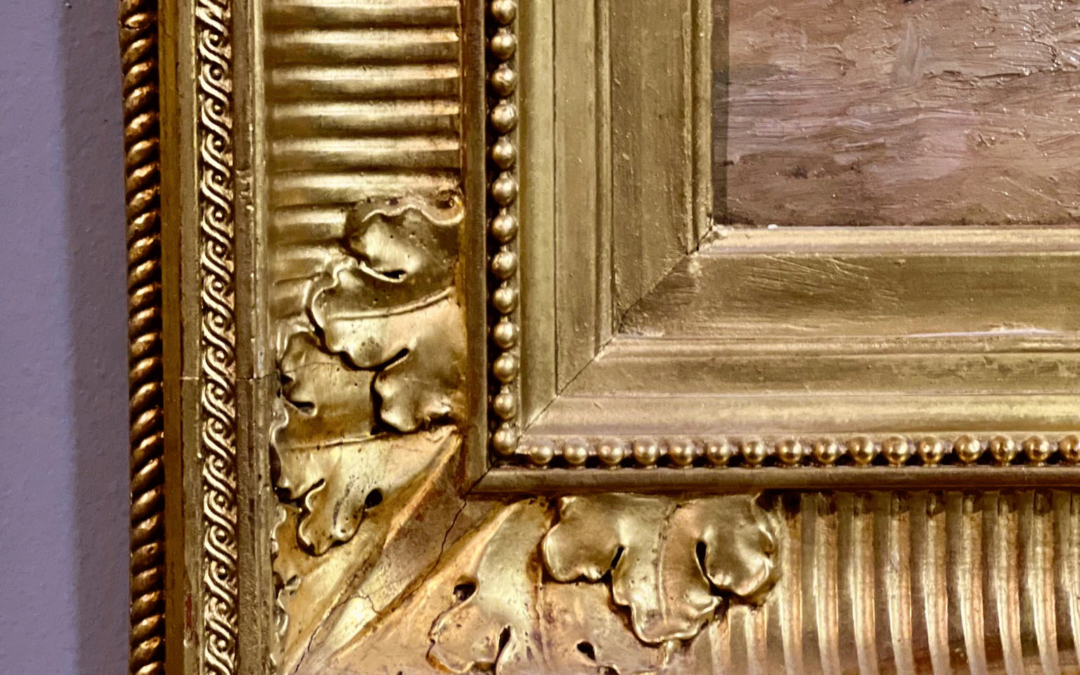
Maintaining, cleaning and restoration can help retain the value of a pice but knowing when and how to assess and remedy it is best left to the professionals. However, you can do basic cleaning at home without damaging the painting, if you know what you’re doing, depending on the pieces value and provenance etc. If your painting is no longer vibrant, heavily yellowed or browned, or damaged it may be time to speak with a professional oil painting cleaners rather than to attempt cleaning it yourself. If your painting has any warping, cracking, tears, or flaking then it’s considered damaged by professional standards. Any attempt to clean a damaged painting, regardless of how careful could result in further damaging the piece.
So, you’ve figured the piece is not worth more or less restored or repaired, then it may be a safe bet to take the task on yourself.There are plenty of youtube and website resources to help. Here is a good online resource to help you assess and start that journey or task: https://artincontext.org/how-to-clean-an-oil-painting/. An ounce of prevention is worth a pound of cure. One way to prevent the accumulation of dust on your painting is to simply dust your painting off regularly.
A small portion of my collection of 19th century oil paintings on the showroom floor have been cleaned or restored. I semi-routinely have this done as to present the art in its best way. Sometimes it’s best to leave it untouched. It’s a personal decision for me while curating my collection. Pieces I import or purchase immediately get assessed whether restoration or cleaning outweighs the value of the piece. I trust professionals and make certain it is done correctly. Feel free to pop into my showroom anytime, I’m all too happy to help you assess your options on your own collection.
by admin | Dec 28, 2022 | maintenance
Maintenance and care of your antique furniture in a nutshell.
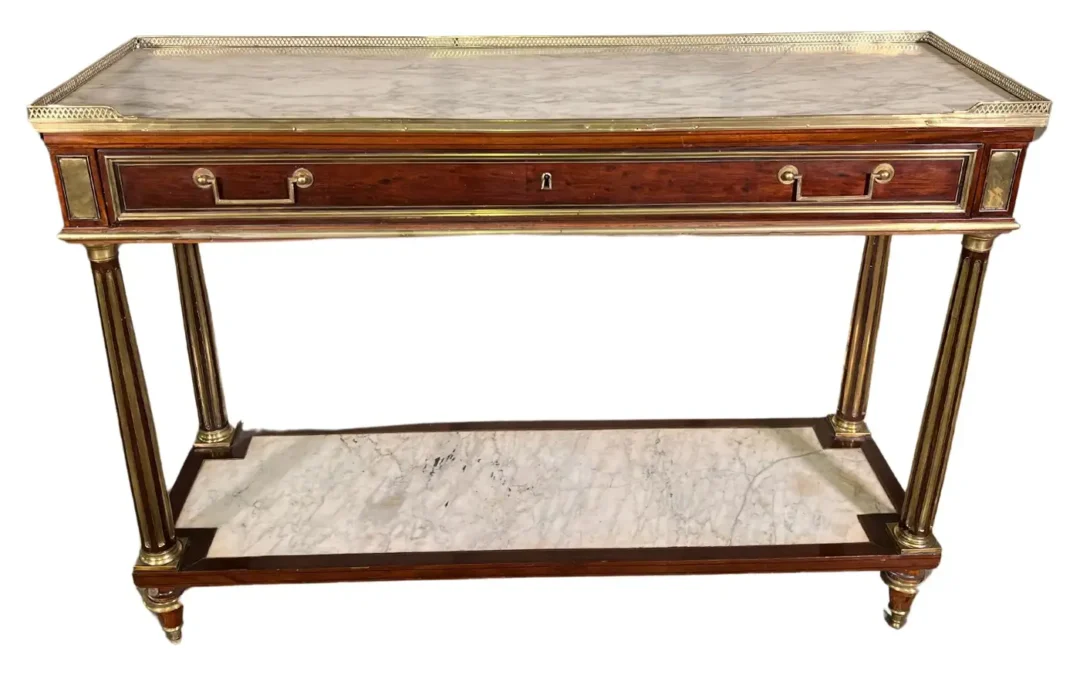
So many things can affect antique furniture including sunlight, pollution and humidity. Even your HVAC system can affect organic materials like wood, fabric and leather on antique furniture. So it makes sense to keep an eye on your furniture throughout the season changes.
Fluctuations in temperature and humidity can damage furniture especially inlays and veneered surfaces and table tops. Your HVAC system can dry the air thus effecting wood. Humidifiers maybe necessary for certain pieces. Especially for those who live and collect in the Southwestern states, such as here in Arizona. wet or overly damp rooms can also cause problems as well. No matter where you live room temperature should be maintained as constant as possible. The ideal humidity level is around 50 to 55 per cent. You can purchase a hygrometer easily on amazon.com . Sometimes in spite of your best efforts, furniture may eventually warp or split. This is when it’s time to call in a professional for restoration. He will be able to access whether it is worth it on the type of piece based on the damage and value.
Dusting, Waxing and Polishing
Regular dusting is important. Using a clean, dry, soft duster or cloth. Simple, right?!
Normally, wax polish need not be used more than once every few months. Too much wax will cause build up resulting in dullness and absorb dust. Waxing antique furniture with a good quality natural wax s the best way to protect the original finish and color of wood. Something to note: modern polishes are often too harsh for antique furniture. It is best to use a natural wax. Try a small amount of bees wax polish on a soft and clean lint free cloth and rub the piece in the direction of the grain until the surface begins to shine. Then polish with a clean duster or cloth. This helps the surface to evaporate any solvent and clean the original finish by burnishing it.
Another helpful hint is to avoid positioning antique furniture in direct and strong sunlight. This will fade its color and create uneven tones on the wood with a bleaching effect, completely ruining the piece. The heat from sunlight can also crack and lift veneers off of antiques. Smart and adequate use of blinds or curtains throughout the day in unused rooms goes a long way. Window tints and films can also guard harmful rays.
If cleaning is necessary to a surface from a spill or residue from a placed item, use a soft damp cloth or a clean chamois. As in most household cases, a mild solution of vinegar diluted in water can be used to clean more thoroughly but only on polished, undamaged wood areas. After cleaning, wipe again with a clean damp cloth and dry immediately with another soft dry cloth. Do not scrub too hard!
There are also a plethora of polishes and waxes on the market. You can decide for yourself which one is the best fit. I plan on writing a piece on best polishes and waxes from experience. Until them, here is a good resource to start your research: https://woodworkingclarity.com/best-furniture-wax/
Thanks for reading! Don’t forget to bookmark us.

 Maintaining, cleaning and restoration can help retain the value of a pice but knowing when and how to assess and remedy it is best left to the professionals. However, you can do basic cleaning at home without damaging the painting, if you know what you’re doing, depending on the pieces value and provenance etc. If your painting is no longer vibrant, heavily yellowed or browned, or damaged it may be time to speak with a professional oil painting cleaners rather than to attempt cleaning it yourself. If your painting has any warping, cracking, tears, or flaking then it’s considered damaged by professional standards. Any attempt to clean a damaged painting, regardless of how careful could result in further damaging the piece.