by admin | Jun 30, 2023 | All things Antiques
Pairing Antiques with Contemporary Interior Design: A Timeless Fusion
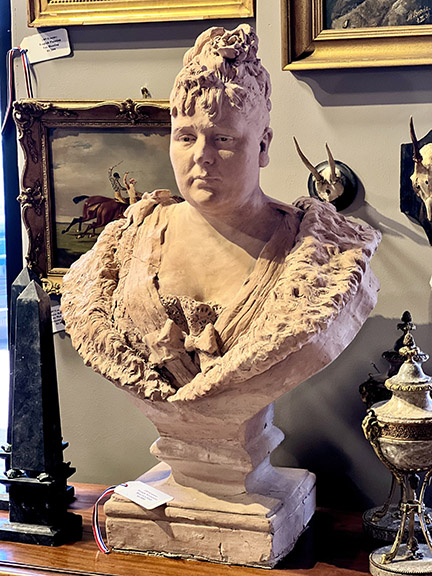
In the world of interior design, blending the old with the new has become a popular trend. One particularly intriguing combination is the pairing of antiques with contemporary elements. This fusion of contrasting styles brings a unique charm and character to any space. By seamlessly integrating timeless antiques into a modern setting, you can create a captivating ambiance that tells a story of the past while celebrating the present. In this blog post, we will explore how to artfully merge antiques and contemporary design to achieve a harmonious and visually stunning result.
Understanding the Power of Contrast: The key to successfully pairing antiques with contemporary interior design lies in understanding and embracing the power of contrast. Antique pieces, with their intricate craftsmanship and historical significance, can act as focal points in a room, capturing attention and adding depth. When placed amidst sleek and minimalistic modern furnishings, they create a captivating juxtaposition that elevates the overall aesthetic. By playing with contrasting elements such as textures, shapes, and materials, you can achieve a visually dynamic and harmonious composition that captures the best of both worlds.
Harmonizing Colors and Finishes: One of the challenges when merging antiques with contemporary design is harmonizing colors and finishes. To create a cohesive look, consider a neutral color palette as a backdrop for your antique treasures. Soft hues like whites, grays, or beiges can provide a serene canvas, allowing the antique pieces to stand out without overpowering the space. Additionally, pay attention to the finishes of both the antique and contemporary elements. Strive for a balance between polished and weathered, sleek and textured, to create a visually interesting blend that adds depth and character to your interior.
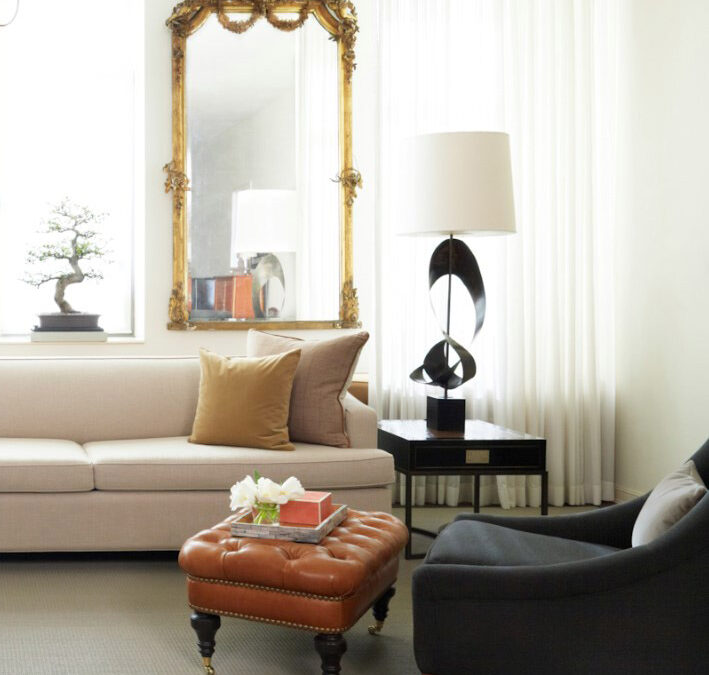
Strategic Placement and Balance: Strategic placement and balance are crucial in successfully integrating antiques into a contemporary space. Instead of overwhelming the room with multiple antique pieces, choose a few statement items and position them strategically. Placing an antique chest as a coffee table in a modern living room or displaying a vintage mirror above a sleek console can add a touch of nostalgia and create a focal point. Consider scale and proportion to ensure that the antique items don’t overpower the contemporary elements, maintaining a balanced and harmonious atmosphere.
Embracing Eclectic Styling: Pairing antiques with contemporary design offers an opportunity to embrace eclectic styling, a trend that celebrates the blend of various styles and eras. Experiment with mixing different furniture, combining ornate antique chairs with clean-lined sofas or incorporating vintage artwork into a gallery wall of modern prints. Eclectic styling allows you to showcase good taste and create a unique space that reflects your individuality and appreciation for both the past and the present.
The combination of antiques and contemporary design can breathe new life into any interior space, creating a captivating fusion that transcends time. By embracing the power of contrast, harmonizing colors and finishes, strategically placing and balancing items, and embracing eclectic styling, you can achieve a harmonious and visually stunning result. So, let your creativity flourish as you blend the beauty of the past with the modern sensibilities of today, and create a home that tells a story while embracing the present. We hope we’ve piqued and inspired one thing to bring up with your interior designer, or in the very least, visit your local antique dealer in persona or online.
by admin | Mar 9, 2023 | All things Antiques
by admin | Feb 16, 2023 | All things Antiques
On the heels of your last post regarding antique collecting we offer up a second part of this series. Further elaborating on the purpose for appreciating antiques as worthy and tasteful hobby and investment. Collecting antiques can be a highly rewarding and potentially profitable hobby. Antiques are defined as items that are over 100 years old and have significant historical, cultural, or aesthetic value. From furniture and jewelry to artwork and rare books, antiques come in many forms and can be found in various price ranges.
One of the primary benefits of collecting antiques is the potential for financial gain. Antiques often appreciate in value over time, making them a sound investment for collectors. The value of antiques is driven by a combination of factors, including rarity, condition, and historical significance. If you have a keen eye for antiques and invest in items that are in demand, you can expect to see your collection grow in value over time.
Another advantage of collecting antiques is the satisfaction of owning a piece of history. Antiques offer a glimpse into the past and can tell us a lot about the time period and culture in which they were created. For example, a piece of antique furniture can tell us about the craftsmanship and design trends of the time, while an antique painting can provide insight into the artistic movements of the era.
In addition to the financial and historical rewards, collecting antiques can also be an enjoyable hobby. The hunt for the perfect chair, trumeau, etc can be exciting and fulfilling, and the satisfaction of finding a rare or unique item can be highly gratifying. Collecting antiques also allows you to develop expertise in a specific area, which can be both intellectually stimulating and socially rewarding.
However, it is important to note that collecting antiques is not without its risks. The market for antiques can be highly competitive, and it can be difficult to distinguish between authentic pieces and forgeries. Additionally, the value of antiques can be highly dependent on market trends, and there is no guarantee that a particular item will appreciate in value.
In conclusion, collecting antiques can be a highly rewarding and potentially profitable hobby and or investment for those with an interest in history, culture, and aesthetics. Its a worthy and (in)valuable possession for your beneficiaries. While there are risks involved, the potential benefits of owning a piece of history and watching your collection grow in value make the pursuit of antiques a worthwhile endeavor for many collectors.
by admin | Jan 30, 2023 | All things Antiques
Antique art and furniture hold intrinsic value for several reasons. Firstly, they represent a connection to the past, providing insight into the history, culture, and values of previous generations. For example, a piece of antique furniture could reflect the tastes and styles of a particular time period, such as Victorian or Art Deco. By owning an antique piece, one can connect to the stories and memories that may be associated with it, creating a sense of heritage and nostalgia.
Secondly, antique art and furniture are often one-of-a-kind pieces that cannot be replicated. The materials and techniques used to create them are often unique and no longer in use, making antique pieces rare and valuable. Furthermore, the craftsmanship involved in creating these pieces was often much more intricate and detailed than what is seen in modern furniture, leading to a higher level of quality and aesthetic value.
Thirdly, antique art and furniture often hold emotional value for their owners. For instance, a person may have inherited an antique piece from a loved one, or may have a personal connection to the history and story behind it. This emotional value is deeply personal and cannot be measured in monetary terms, adding to the intrinsic value of the item.
Fourthly, the value of antique art and furniture increases over time. As the years pass, the number of antique pieces available decreases, leading to a higher demand and higher value. This is particularly true for pieces in good condition and from highly sought after time periods or styles. Additionally, antique pieces often appreciate in value due to their rarity, cultural significance, and historical significance.
Finally, antique art and furniture can be considered works of art in their own right. They were often created by skilled craftsmen and artists, who put their heart and soul into creating a beautiful and functional piece. This dedication to craftsmanship is evident in the intricate details, elegant curves, and exquisite finishes of antique pieces, making them a true work of art.
In conclusion, antique art and furniture hold intrinsic value for many reasons. From providing a connection to the past and reflecting cultural values, to increasing in value over time, to being one-of-a-kind works of art, antique pieces hold a special place in our hearts and homes.
by admin | Dec 2, 2022 | All things Antiques, Uncategorized
People collect fine and rare antiques for reasons wide and varied as their own story and passion for doing so. Perhaps they’re curious of the value of a family heirloom (objects, mirrors, artwork, or furniture) they need an appraisal for insurance purposes, or it may be time to sell it to fund college or another purchase. Appraisals are helpful in all these circumstance stances. But how can one be sure the period or origin (provenance) of the piece is authentic? Purchasing antiques and collectibles from reputable dealers is your best bet and best start.
Appraisals can be written or verbal. Typically verbal is good for anyone looking for a number to place on an object when considering selling an item. Moreover, written appraisals are best for insurance purposes. More importantly you should find a trusted source. You can find one through an accrediting organization like the American Society of Appraisers (ASA) The internet is full of resources for this, however this is not the purpose of this piece. Mr. Rau is also an authority. If you are contemplating collecting as a lucrative hobby or investment, here is a good article to read for a green beginner: https://antiques.lovetoknow.com/about-antiques/collecting-antiques-practical-guide-beginners. Obviously researching what it is you like and having patience will go a long way. It’s a wonderful and noble pursuit to collect antiques and nothing puts things into to perspective like something from the distant past that still gives us enjoyment today.
Antiques like everything else ebb in an out of cultural fashion, however antiques are timeless and hold value such like art and other tangible investments. Once more than can be enjoyed. Popular shows like Antiques Roadshow have spiked popularity in them in recent years. I have been collecting and selling antiques for more than 25 years, from New York to Los Angeles and now our collection and showroom in Scottsdale, AZ, we are passionate about it!
Please bookmark this link as I will be blogging in the near future about such topics as authenticity, maintenance, restoration and fluctuations in the market and trends involving antiques. i will also be stopping back to this blog entry to create links to future topics.