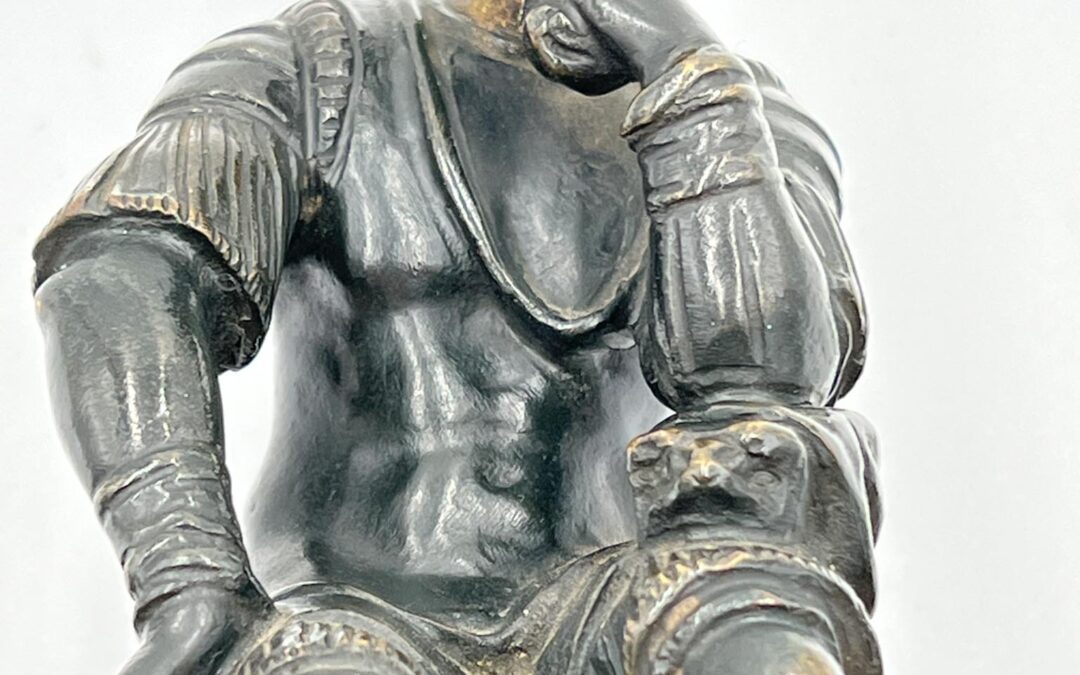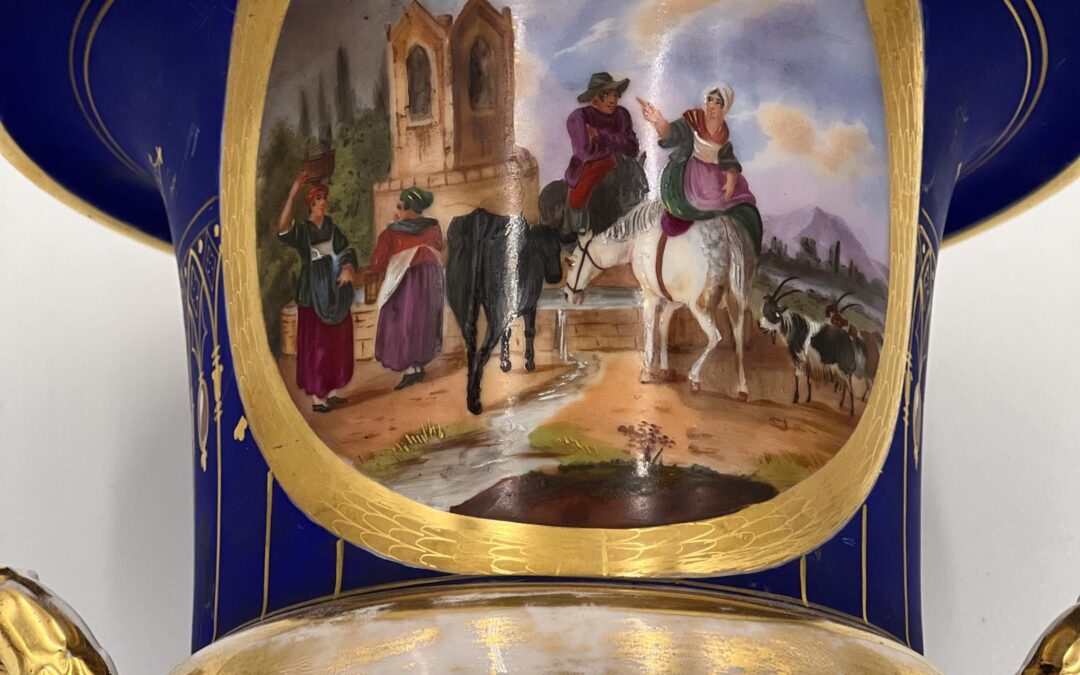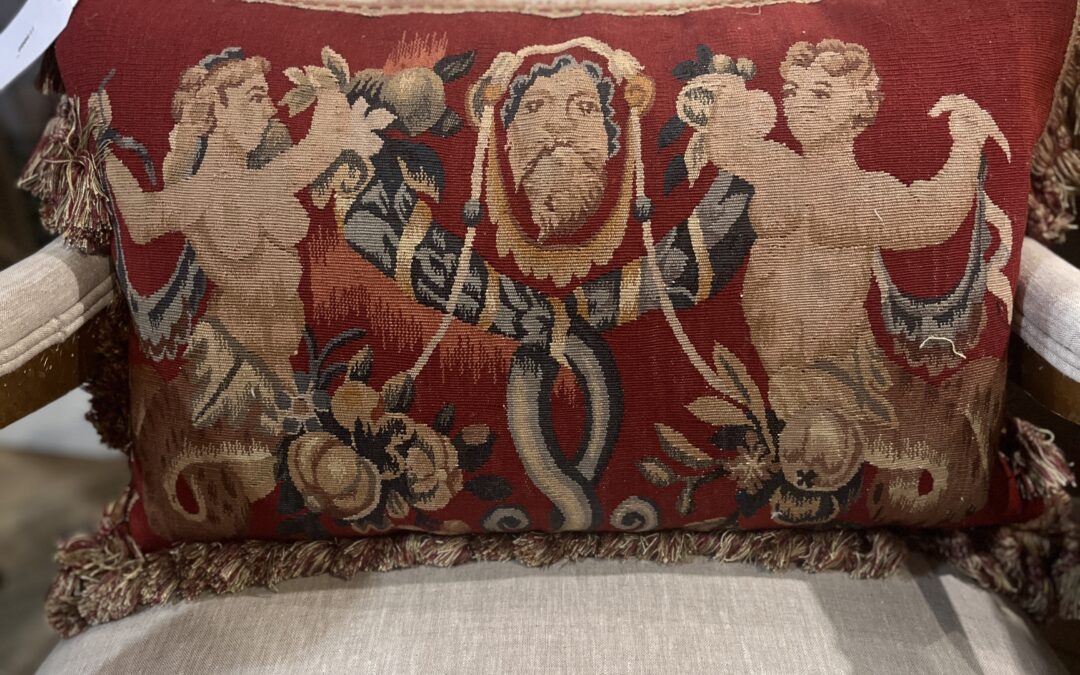
Spotlight on the most popular French European movements in the Antique world

Spotlight on the most popular French European movements in the Antique world

France has always been a symbol of elegance, sophistication, and artistic innovation. Its influence on furniture and decorative arts is undeniable. From the opulent Baroque period to the sleek glamour of Art Deco, French furniture styles have shaped the world of antiques.  In this guide, we explore the most iconic French furniture movements. Each style showcases timeless beauty, exquisite craftsmanship, and enduring appeal.


Baroque Splendor

Baroque design emerged in 17th-century France. It is known for grandeur, drama, and ornate details. Influenced by Louis XIV, the Sun King, Baroque furniture featured bold carvings, gilding, and rich fabrics.Classic examples include large armoires, intricately carved commodes, and grand mirrors. These pieces demonstrate the height of French craftsmanship and the opulence of the era.


Rococo Romance

Rococo followed Baroque in 18th-century France. It introduced lightness, elegance, and playful decoration. Curved lines, asymmetrical shapes, and natural motifs—like flowers and shells—define the style.Louis XV-style armchairs, delicate console tables, and whimsical commodes capture Rococo’s charm. This style is romantic, airy, and highly collectible in French antique furniture today.


Neoclassical Refinement

By the late 18th century, Neoclassical design became popular. Inspired by ancient Greece and Rome, this style emphasized symmetry, clean lines, and restrained ornamentation.French Neoclassical furniture, often associated with Louis XVI, includes elegant bergères, marble-topped guéridons, and desks with tapered columns. These pieces showcase simplicity and classical elegance in French furniture styles.


Art Nouveau Innovation

In the late 19th and early 20th centuries, Art Nouveau broke away from traditional design. It focused on organic shapes, flowing lines, and nature-inspired motifs.French Art Nouveau furniture used materials like bentwood, stained glass, and marquetry. Émile Gallé’s floral designs and Hector Guimard’s Paris Métro entrances are iconic examples of this creative movement.


Art Deco Glamour

Art Deco emerged in 1920s France. It celebrated modern luxury with geometric shapes, bold lines, and high-quality materials.French Art Deco furniture often featured lacquered finishes, exotic woods, and chrome accents. Designers like Émile-Jacques Ruhlmann created elegant interiors that remain highly sought after by collectors of classic French design.


Timeless Legacy

From Baroque splendor to Art Deco sophistication, each French furniture movement has left a lasting mark on antique design. French antique furniture continues to inspire collectors, interior designers, and enthusiasts around the world.
To Humidify or Not? Preserving Antique Furniture in Dry Climates

To Humidify or Not? Preserving Antique Furniture in Dry Climates

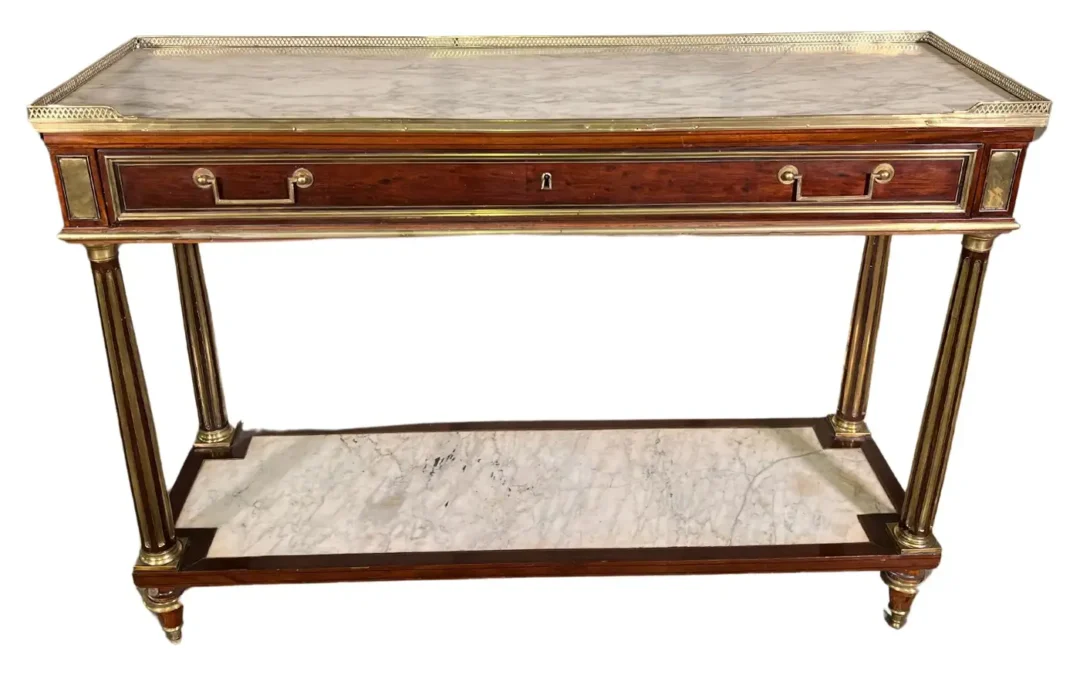
Antique furniture holds both historical value and cultural significance. Each piece tells a story of craftsmanship and heritage, making it a cherished possession. However, in dry climates, collectors often face a dilemma: should they humidify their antique furniture, or leave it as is? Understanding the risks and best practices is key to preserving these treasured pieces.


The Role of Humidity

Humidity is crucial for wooden furniture, including antiques. Wood is hygroscopic, which means it absorbs and releases moisture from its surroundings. In very dry conditions—common in arid climates or winter months with indoor heating—wood loses moisture. This can cause shrinkage, warping, cracking, and even structural damage over time.

Controlled humidification can help prevent these issues. Techniques include:

  • Using room humidifiers

  • Placing water containers near furniture

  • Employing specialized furniture humidifiers

Proper humidity protects the wood, maintaining its integrity and prolonging the furniture’s lifespan.


Avoiding Over-Humidification

While dry conditions are harmful, too much humidity is equally dangerous. Excess moisture can lead to swelling, mold, and deterioration of finishes. Rapid changes in humidity cause wood to expand and contract, stressing joints and delicate veneers. This can result in cracks, splits in cabinet doors, or damage to tabletops.

The key is balance. Maintaining relative humidity between 40% and 60% is ideal for antique furniture. Using a hygrometer helps monitor levels accurately. In professional settings, furniture is often strategically placed near small water sources to maintain consistent humidity.


Additional Preventive Measures

Humidity control is only one aspect of preservation. Other steps include:

  • Regular dusting with gentle, non-abrasive products

  • Avoiding direct sunlight

  • Preventing sudden temperature fluctuations

Every antique is unique. The type of wood, age, condition, and any previous restoration work all affect how it responds to humidity. Consulting a professional restorer can help determine the best care for each piece.


Conclusion

Deciding whether to humidify antique furniture in dry climates requires careful consideration. Properly maintained humidity can prevent damage and extend the life of your antiques, but over-humidification carries risks. By monitoring environmental conditions and taking preventive measures, collectors can protect their investments and preserve the beauty of their furniture for generations.


The Christmas Day Conspiracy: Napoleon’s Brush with Death”

The Christmas Day Conspiracy: Napoleon’s Brush with Death”

In the annals of history, Christmas Day is typically associated with joy, celebration, and peace. However, in 1800, the festive season took a dark turn when a sinister plot unfolded against the formidable French leader, Napoleon Bonaparte. On that fateful day, as Europe reveled in holiday cheer, a group of conspirators sought to alter the course of history.

The elaborate plan was set into motion as Napoleon made his way to the Notre-Dame Cathedral for the Christmas Day celebration. Hidden among the crowd were would-be assassins, determined to end the era of the powerful military strategist. As Napoleon entered the cathedral, the tension reached a climax. It was then that an unexpected twist occurred—rumors suggest that the gun intended for the fatal shot misfired or that the assailant lost his nerve in the critical moment.

The failed attempt on Napoleon’s life not only marked a pivotal moment in European history but also underscored the volatile nature of political landscapes during the early 19th century. The incident served as a catalyst for Napoleon’s rise to greater prominence and power, ultimately shaping the destiny of nations. As we reflect on the events of that Christmas Day, history reminds us that even amidst the joyous festivities, the specter of political intrigue and power struggles can cast a long and ominous shadow.

I personally love French Antiques from the Napoleonic era and the Directory and Regency eras that surround it. Art, furniture and lighting that was created during these periods are exquisite, detailed and high quality. They fit seamlessly and elegantly in any scheme.

For the month of December and January we are offering %15 off of any in store or online orders. Please use HOLIDAY code at checkout.

From our family to yours, have a warm, wonderful Holiday and Happy New Year!
~Tod Carson

Pairing Antiques with Contemporary Interior Design: A Timeless Fusion

Pairing Antiques with Contemporary Interior Design: A Timeless Fusion

Pairing Antiques with Contemporary Interior Design: A Timeless Fusion

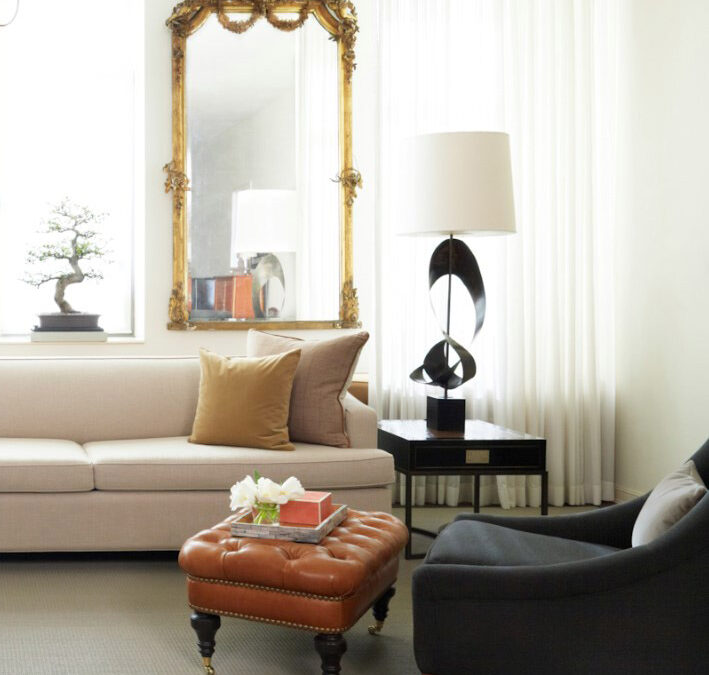
In the world of interior design, blending the old with the new has become a popular trend. One particularly intriguing combination is the pairing of antiques with contemporary elements. This fusion of contrasting styles brings a unique charm and character to any space. By seamlessly integrating timeless antiques into a modern setting, you can create a captivating ambiance that tells a story of the past while celebrating the present. In this blog post, we will explore how to artfully merge antiques and contemporary design to achieve a harmonious and visually stunning result.

Understanding the Power of Contrast: The key to successfully pairing antiques with contemporary interior design lies in understanding and embracing the power of contrast. Antique pieces, with their intricate craftsmanship and historical significance, can act as focal points in a room, capturing attention and adding depth. When placed amidst sleek and minimalistic modern furnishings, they create a captivating juxtaposition that elevates the overall aesthetic. By playing with contrasting elements such as textures, shapes, and materials, you can achieve a visually dynamic and harmonious composition that captures the best of both worlds.

Harmonizing Colors and Finishes: One of the challenges when merging antiques with contemporary design is harmonizing colors and finishes. To create a cohesive look, consider a neutral color palette as a backdrop for your antique treasures. Soft hues like whites, grays, or beiges can provide a serene canvas, allowing the antique pieces to stand out without overpowering the space. Additionally, pay attention to the finishes of both the antique and contemporary elements. Strive for a balance between polished and weathered, sleek and textured, to create a visually interesting blend that adds depth and character to your interior.

Strategic Placement and Balance: Strategic placement and balance are crucial in successfully integrating antiques into a contemporary space. Instead of overwhelming the room with multiple antique pieces, choose a few statement items and position them strategically. Placing an antique chest as a coffee table in a modern living room or displaying a vintage mirror above a sleek console can add a touch of nostalgia and create a focal point. Consider scale and proportion to ensure that the antique items don’t overpower the contemporary elements, maintaining a balanced and harmonious atmosphere.

Embracing Eclectic Styling: Pairing antiques with contemporary design offers an opportunity to embrace eclectic styling, a trend that celebrates the blend of various styles and eras. Experiment with mixing different furniture, combining ornate antique chairs with clean-lined sofas or incorporating vintage artwork into a gallery wall of modern prints. Eclectic styling allows you to showcase good  taste and create a unique space that reflects your individuality and appreciation for both the past and the present.

The combination of antiques and contemporary design can breathe new life into any interior space, creating a captivating fusion that transcends time. By embracing the power of contrast, harmonizing colors and finishes, strategically placing and balancing items, and embracing eclectic styling, you can achieve a harmonious and visually stunning result. So, let your creativity flourish as you blend the beauty of the past with the modern sensibilities of today, and create a home that tells a story while embracing the present.  We hope we’ve piqued and inspired one thing to bring up with your interior designer, or in the very least, visit your local antique dealer in persona or online.

the new appeal of 19th century European antiques

the new appeal of 19th century European antiques

The 19th century was a time of great change and innovation in many areas, including art and antiques collecting. During this period, the market for antique items grew rapidly, with a corresponding increase in the number of collectors and sellers. In this blog, we will explore some of the key resources for antique collecting and selling in the 19th century.

One of the primary resources for antique collectors in the 19th century was auction houses. The major auction houses of the time, such as Christie’s and Sotheby’s, were already well established by the beginning of the century, and they continued to grow and expand throughout the period. These auction houses held regular sales of antique items, ranging from fine art and furniture to more everyday objects such as ceramics and glassware. Collectors would attend these sales to bid on items that caught their interest, often competing with each other to secure the most desirable pieces.

In addition to auction houses, antique dealers played an important role in the 19th century market. These dealers would typically operate out of shops or galleries in major cities such as London, Paris, and New York. They would acquire antique items from a variety of sources, including auctions, private collections, and overseas markets. Dealers would then sell these items to collectors, often marking them up significantly from their original purchase price. Some of the most famous antique dealers of the 19th century included Martin Brothers in London and Charles Durand in Paris.

Catalogues were another key resource for collectors in the 19th century. Auction houses and dealers would produce printed catalogues of their available items, which collectors could peruse and use to plan their purchases. These catalogues often included detailed descriptions of the items on offer, along with photographs or illustrations. Catalogues were particularly useful for collectors who were unable to attend auctions or visit dealers in person, as they provided a way to view and assess items from a distance.

Finally, trade publications were an important resource for both collectors and sellers in the 19th century. These publications, which included magazines such as The Connoisseur and The Antiquary, provided news and analysis of the antique market, as well as information on upcoming sales and new items for sale. They also included articles on the history and provenance of antique items, which could be useful for collectors looking to deepen their knowledge of particular areas of interest.  Today we rely on the importers, exporters, dealers and retailers for this advice as the “antique shop” becomes the modern showcase of these beautiful pieces.

The 19th century was a period of significant growth and change in the antique market, with the rise of auction houses, dealers, catalogues, and trade publications all contributing to the development of a thriving industry. Today, many of these resources continue to play a role in the antique market, although they have been joined by a range of new digital tools and platforms that have further transformed the way that collectors and sellers connect and do business.  You really should comedown to see what makes Tod Carson Antiques so special!  call or visit us today at todcarson.com

Antiques are a source of joy and investment

Antiques are a source of joy and investment

On the heels of your last post regarding antique collecting we offer up a second part of this series.  Further elaborating on the purpose for appreciating antiques as worthy and tasteful hobby and investment. Collecting antiques can be a highly rewarding and potentially profitable hobby. Antiques are defined as items that are over 100 years old and have significant historical, cultural, or aesthetic value. From furniture and jewelry to artwork and rare books, antiques come in many forms and can be found in various price ranges.

One of the primary benefits of collecting antiques is the potential for financial gain. Antiques often appreciate in value over time, making them a sound investment for collectors. The value of antiques is driven by a combination of factors, including rarity, condition, and historical significance. If you have a keen eye for antiques and invest in items that are in demand, you can expect to see your collection grow in value over time.

Another advantage of collecting antiques is the satisfaction of owning a piece of history. Antiques offer a glimpse into the past and can tell us a lot about the time period and culture in which they were created. For example, a piece of antique furniture can tell us about the craftsmanship and design trends of the time, while an antique painting can provide insight into the artistic movements of the era.

In addition to the financial and historical rewards, collecting antiques can also be an enjoyable hobby. The hunt for the perfect chair, trumeau, etc can be exciting and fulfilling, and the satisfaction of finding a rare or unique item can be highly gratifying. Collecting antiques also allows you to develop expertise in a specific area, which can be both intellectually stimulating and socially rewarding.

However, it is important to note that collecting antiques is not without its risks. The market for antiques can be highly competitive, and it can be difficult to distinguish between authentic pieces and forgeries. Additionally, the value of antiques can be highly dependent on market trends, and there is no guarantee that a particular item will appreciate in value.

In conclusion, collecting antiques can be a highly rewarding and potentially profitable hobby and or investment for those with an interest in history, culture, and aesthetics. Its a worthy and (in)valuable possession for your beneficiaries.  While there are risks involved, the potential benefits of owning a piece of history and watching your collection grow in value make the pursuit of antiques a worthwhile endeavor for many collectors.